
Strategic Planning for Meaningful, Reproducible Results
Designing an immunohistochemistry (IHC) study isn’t just about picking antibodies and staining slides—it’s about setting up a framework that delivers clear, reliable insights from start to finish. Whether the goal is to explore protein expression in a disease model or validate biomarkers in clinical samples, the strength of an IHC study lies in its design. Each decision, from sample selection to data analysis, plays a role in shaping the outcome. When planned thoughtfully, an IHC study can provide not just images, but answers. Check out these IHC study design tips.
A strong IHC study begins with defining the research question. Knowing what you’re trying to discover or prove helps guide every step that follows. This includes choosing the right tissue type, determining how many samples are needed to reach statistical relevance, and deciding which proteins or markers will be targeted. Selecting high-quality, well-preserved tissue is critical, as poor sample quality can compromise results before staining even begins. Additionally, control tissues—both positive and negative—must be part of the design to validate the accuracy of the staining and rule out false positives or negatives.
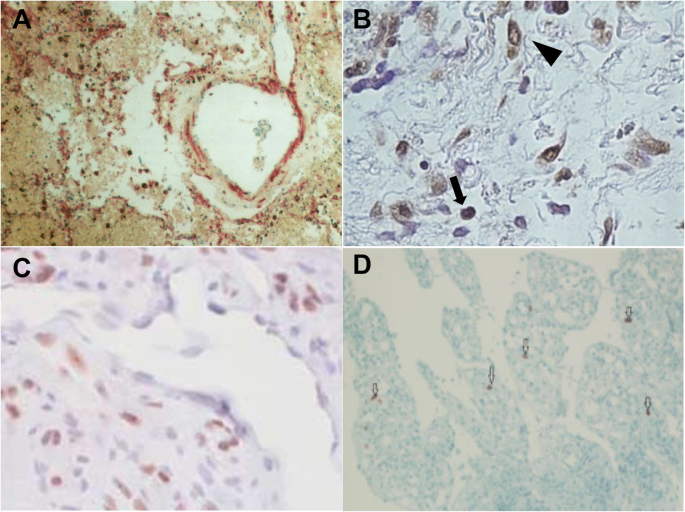
Antibody selection is another key component. The chosen antibodies must be highly specific to the target protein, and their performance needs to be validated under the conditions of the study. This includes optimizing dilution, incubation time, and antigen retrieval methods. Without these preliminary steps, even a good antibody can produce inconsistent or misleading results. Establishing a standardized protocol across all samples is crucial to ensure reproducibility, especially in larger-scale studies or collaborative projects.
Once staining is complete, the next phase focuses on interpretation and data analysis. A solid IHC study design includes a plan for how results will be evaluated—whether qualitatively, through visual scoring, or quantitatively, using image analysis software. Clear scoring criteria, blinded analysis, and consistent imaging techniques help reduce bias and make findings more credible.
Ultimately, a well-designed IHC study is about more than generating images—it’s about producing meaningful biological data. With the right strategy, attention to detail, and scientific rigor, IHC becomes a tool not only for observation but for discovery and validation in both research and clinical settings.